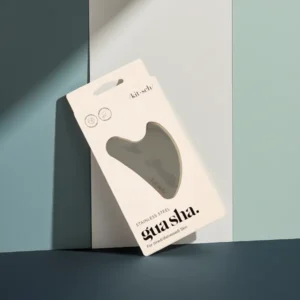
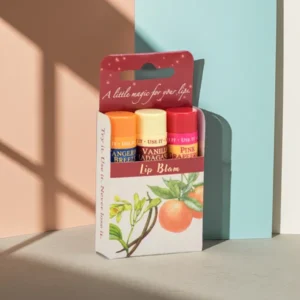
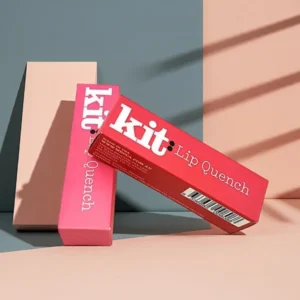
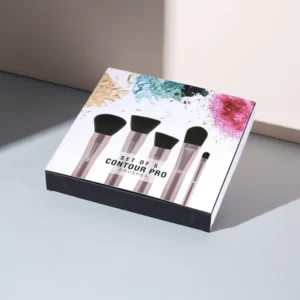
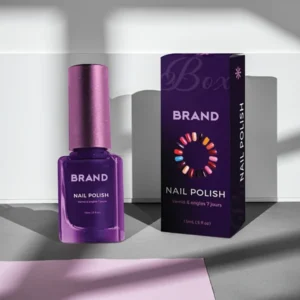
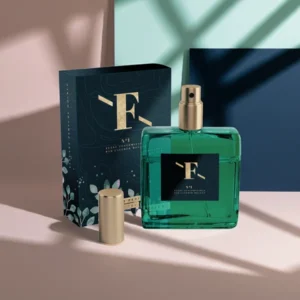
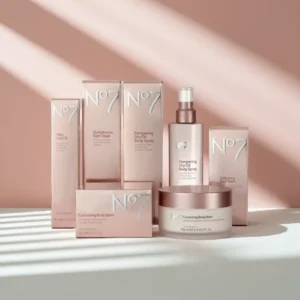
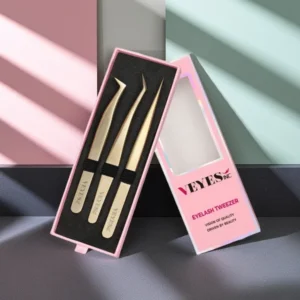
Cosmetic packaging is much more than a container it is a critical element of product protection, brand identity, and consumer experience. For beauty and skincare brands, the right packaging can influence purchasing decisions, convey product quality, and support operational efficiency.
This guide covers everything you need to know about cosmetic packaging, focusing on cardboard, corrugated, and rigid materials. Whether you are launching a makeup line, scaling a skincare brand, or sourcing wholesale packaging, understanding the options and best practices is essential for making informed, strategic decisions.
What Is Cosmetic Packaging?
Cosmetic packaging refers to the materials and containers that encase, protect, and present beauty products. It encompasses all elements, from primary packaging (in direct contact with the product) to secondary packaging (like boxes and sleeves) and tertiary packaging (bulk transport and storage).
The key objectives of cosmetic packaging include:
- Protection: Preventing product damage, contamination, or spoilage.
- Functionality: Allowing ease of use and controlled dispensing.
- Branding: Communicating your brand’s identity, style, and positioning.
- Compliance: Meeting local safety, labeling, and environmental regulations.
Choosing the right material and design ensures that the packaging supports all these functions while enhancing the product’s perceived value.
Types of Cosmetic Packaging
Cosmetic packaging can be categorized by function and form. Key types include:
Primary Packaging
Primary packaging is the part of the packaging that comes in direct contact with the product, such as jars, boxes for creams, or rigid containers for high-end makeup. While typically protective, when using cardboard or rigid boxes, primary packaging can also elevate product presentation.
Secondary Packaging
Secondary packaging provides extra protection, branding, and information. Examples include cardboard boxes, sleeves, or rigid boxes that house a jar, bottle, or palette. Brands often use secondary packaging to enhance shelf appeal and provide a luxury feel.
Tertiary Packaging
Tertiary packaging is used for shipping and storage. Materials like corrugated boxes are ideal for bulk transport, providing structural strength and minimizing product damage during handling and transit.
By Product Type
Different cosmetic products have specific packaging needs:
- Makeup Packaging: Lipsticks, palettes, and compacts often benefit from rigid boxes or cardboard sleeves to protect delicate components.
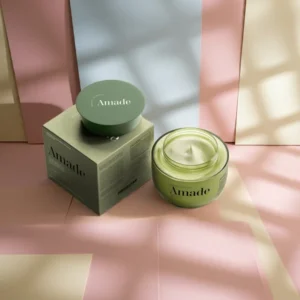
- Skincare Packaging: Creams, serums, and masks can be placed in rigid boxes or sturdy cardboard cartons for a premium unboxing experience.
- Gift Sets & Multi-Product Bundles: Corrugated boxes or multi-compartment rigid boxes help organize and protect multiple items while improving presentation.
Cosmetic Packaging Materials
Since your brand focuses on cardboard, corrugated, and rigid materials, these are the most relevant:
Cardboard
Cardboard is lightweight, versatile, and ideal for secondary packaging such as cosmetic boxes, sleeves, or cartons. It supports high-quality printing, embossing, and foil stamping. Many brands use cardboard for both mid-range and luxury products due to its flexibility and sustainability.
Corrugated Paper
Corrugated material provides strength and protection for shipping, bulk packaging, and outer layers. It is perfect for fragile products or multi-item shipments. The fluted structure absorbs shocks, reducing the risk of damage.
Rigid Material (Rigid Boxes)
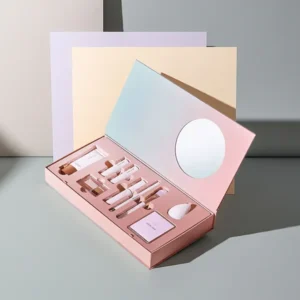
Rigid boxes are thick, sturdy, and premium-feeling. They are commonly used for luxury skincare, perfumes, or makeup kits. Features like magnetic closures, embossing, soft-touch coatings, or foil stamping enhance the unboxing experience and reinforce brand value.
Cosmetic Packaging by Product Type
Each type of cosmetic product benefits from specific packaging approaches:
Lip Products
- Lipsticks & Lip Balms: Rigid boxes provide a premium feel for luxury lines. Cardboard sleeves protect lipstick tubes during shipping.
Eye Makeup
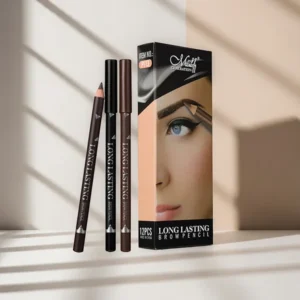
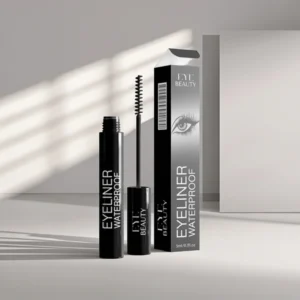
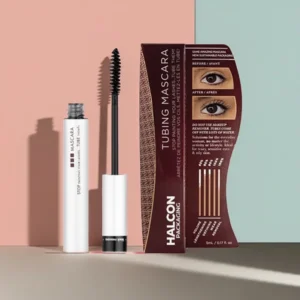
- Mascaras & Eyeliners: Cardboard sleeves or rigid boxes protect wands and brushes from damage. Multipacks often use corrugated inserts for organization.
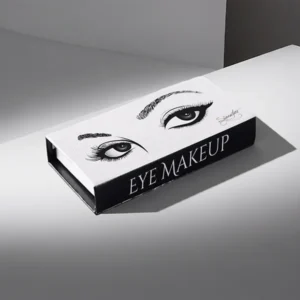
- Eyeshadow Palettes: Rigid boxes with foam inserts prevent powders from breaking and enhance perceived value.
Face Makeup
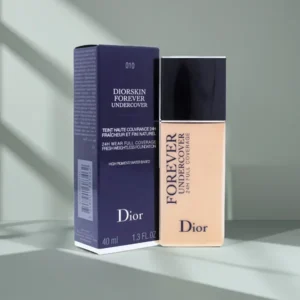
- Foundations & Powders: Rigid boxes provide cushioning for fragile compacts, while printed cardboard sleeves convey brand identity.
Skincare
- Creams & Serums: Rigid boxes protect jars and bottles, offering a luxury presentation and unboxing experience. Cardboard cartons can include detailed labeling and product information.
Gift Sets
- Multi-Product Bundles: Corrugated boxes and rigid multi-compartment boxes allow safe shipping and attractive presentation.
Custom Cosmetic Packaging Solutions
Custom packaging allows brands to stand out in crowded markets. Options include:
- Branded Printing: Logos, patterns, and colors on cardboard or rigid boxes.
- Foil Stamping & Embossing: Adds tactile and visual interest.
- Custom Shapes: Unconventional box shapes create shelf impact.
- Magnetic or Slide-Out Closures: Enhances luxury appeal.
- Eco-Friendly Options: Recyclable or partially recycled materials for sustainability.
Many brands partner with cosmetic packaging manufacturers to create bespoke solutions tailored to product needs, budget, and branding.
Cosmetic Packaging Design and Branding
Packaging design plays a crucial role in consumer perception. Considerations include:
- Color Palette: Use muted tones for luxury skincare, bright tones for playful makeup lines.
- Typography & Printing: Legible fonts, high-quality printing, and embossing communicate professionalism.
- Structure & Functionality: Rigid or cardboard boxes must balance protection with visual appeal.
- User Experience: Easy-to-open designs, reusable boxes, and clear labeling improve satisfaction.
Well-designed packaging reinforces brand identity while protecting the product.
Sustainable Cosmetic Packaging
Sustainability is a growing priority in the beauty industry. Cardboard, corrugated, and rigid materials are naturally recyclable and adaptable for eco-friendly initiatives. Options include:
- Recycled Cardboard & Paperboard: Reduces raw material use and environmental impact.
- Minimalist Packaging: Reduces material waste without sacrificing protection.
- Reusable & Refillable Boxes: Encourages consumers to retain packaging.
- Certifications & Eco Labels: Communicates environmental responsibility to consumers.
Brands that prioritize sustainable cosmetic packaging often resonate with environmentally conscious buyers while meeting regulatory expectations.
Functional and Protective Features
Packaging must protect products and enhance usability. Important features for cardboard, corrugated, and rigid boxes include:
- Reinforced Inserts: Foam, paperboard, or molded pulp inserts prevent product movement and breakage.
- Tamper-Evident Seals: Ensures product safety for skincare and luxury items.
- Cushioning for Transport: Corrugated boxes absorb shocks during shipping.
- Structural Integrity: Rigid boxes maintain shape and resist crushing.
These features ensure the product arrives in perfect condition and reinforces a premium brand experience.
Cosmetic Packaging Regulations and Compliance
Compliance is essential to avoid legal issues and protect consumers. Key considerations include:
- Labeling Requirements: Ingredients, usage instructions, batch numbers, and expiration dates.
- Material Safety: Cardboard and rigid boxes must not compromise product integrity.
- Environmental Regulations: Use recyclable materials and eco-friendly inks.
- Child-Resistant Packaging: Necessary for products containing certain active ingredients.
Working with a trusted packaging manufacturer helps ensure compliance and avoids costly mistakes.
How to Choose the Right Cosmetic Packaging
Selecting the best packaging requires balancing multiple factors:
- Product Compatibility: Consider the product type, fragility, and shelf-life.
- Brand Positioning: Luxury or mid-range products influence material choice and design.
- User Experience: Easy-to-open boxes, reusable designs, and protective inserts improve satisfaction.
- Sustainability Goals: Recyclable and eco-friendly packaging aligns with brand values.
- Budget & Scalability: Evaluate costs for wholesale or custom orders.
- Regulatory Compliance: Ensure packaging meets labeling and safety standards.
Prototyping with cardboard or rigid boxes before mass production allows testing for both aesthetics and durability.
Cosmetic Packaging Trends
Current industry trends include:
- Luxury Minimalism: Simple, clean designs with high-quality finishes.
- Sustainable Materials: Recycled or recyclable cardboard, rigid boxes, and inserts.
- Interactive Packaging: Custom compartments, hidden messages, or reusable boxes.
- Bold Shapes & Textures: Unique rigid boxes with tactile surfaces or geometric shapes.
- Gift-Ready Packaging: Multi-product sets in corrugated or rigid boxes with premium inserts.
Staying informed on trends allows brands to remain competitive while meeting consumer expectations.
Wholesale and Manufacturing Options
Brands can choose from several approaches depending on scale and budget:
- Wholesale Cosmetic Packaging: Pre-designed cardboard or rigid boxes in bulk. Cost-effective for startups or multi-product launches.
- Custom Cosmetic Packaging Manufacturers: Offer bespoke boxes, branded printing, and inserts for luxury products.
- Local vs. Overseas Manufacturers: Local suppliers reduce lead times and shipping costs; overseas options may offer lower unit costs for large-scale orders.
Evaluating manufacturers based on quality, reliability, and compliance ensures long-term success.
Final Thoughts
Cosmetic packaging is a strategic element that protects your products, communicates brand identity, and enhances consumer experience. By focusing on cardboard, corrugated, and rigid materials, brands can achieve durability, aesthetic appeal, and sustainability.
Selecting the right material, design, and functional features ensures products arrive safely, meet regulatory requirements, and delight consumers. Partnering with reliable manufacturers and staying informed on trends empowers brands to create packaging that is both practical and visually compelling.