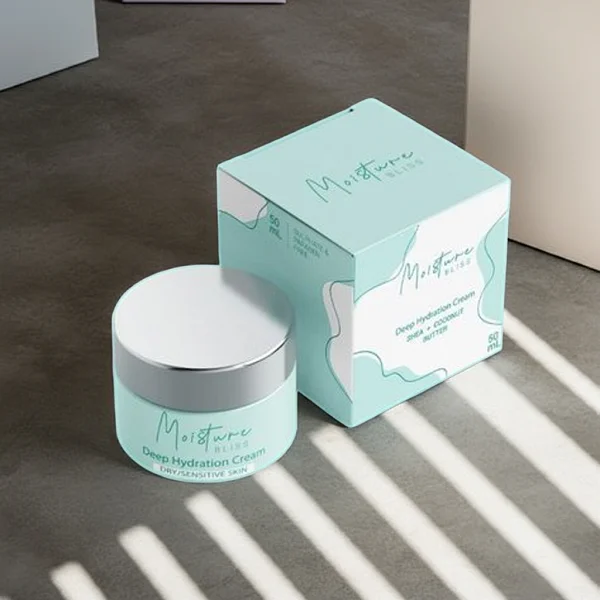
Description
What Is Cream Packaging?
Cream packaging refers to the containers, jars, tubes, or dispensers used to store and present cosmetic and skincare creams. Its purpose is multifaceted:
- Protection: Shields creams from contamination, air, moisture, and light.
- Usability: Ensures convenient application for consumers.
- Brand Communication: Conveys luxury, sustainability, or functional design.
- Marketing Tool: Enhances shelf appeal and encourages repeat purchases.
Examples:
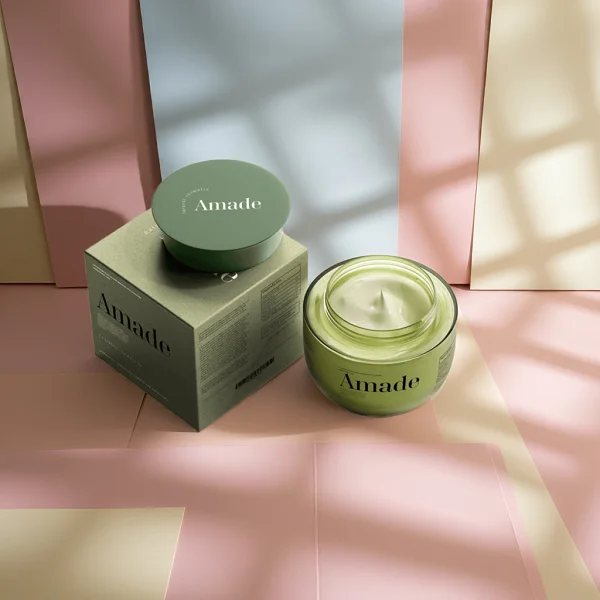
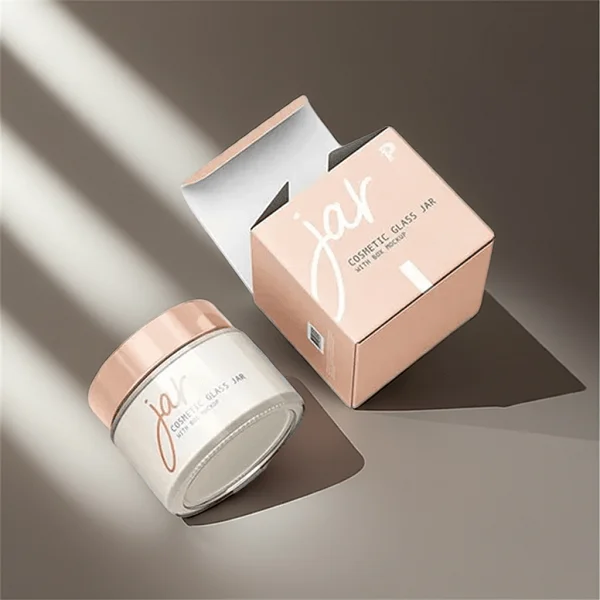
- Skincare cream jars with screw-top lids.
- Airless pump bottles for serums or moisturizers.
- Travel-size tubes or mini jars for portability.
Importance of Cream Packaging in the Cosmetic Industry
Cream packaging is central to product quality and brand perception:
- Preserves product texture, scent, and active ingredients.
- Differentiates your brand on crowded shelves.
- Provides hygienic and safe consumer experiences.
- Supports sustainable and eco-conscious initiatives.
How Packaging Influences Consumer Buying Decisions
Consumers often associate packaging quality with product efficacy:
- Premium finishes (rigid jars, soft-touch coatings) convey luxury.
- Functional features (pumps, airless dispensers) signal hygiene and innovation.
- Refillable or eco-friendly packaging appeals to sustainability-minded buyers.
Types of Cream Packaging
Cosmetic Jars for Cream
- Classic jars with screw-top lids for day and night creams.
- Can be made from rigid cardboard, paperboard, or eco-friendly materials.
- Suitable for creams with thicker textures.
Skincare Cream Tubes
- Lightweight and portable.
- Ideal for moisturizers, sunscreens, and ointments.
- Can include flip-top caps or screw caps for convenience.
Airless Cream Bottles
- Maintain hygiene and prevent product oxidation.
- Pump action delivers controlled doses.
- Preferred for serums and premium creams.
Pump Dispenser Cream Containers
- Allows easy, mess-free dispensing.
- Maintains formula integrity by limiting air exposure.
- Often combined with tubes or jars for mid- to high-end products.
Refillable Cream Jars
- Supports eco-conscious initiatives.
- Consumers can purchase refills instead of new packaging.
- Magnetic or snap-in trays make refills convenient and secure.
Travel-Size and Mini Cream Packaging
- Lightweight, portable designs.
- Often 5–15ml jars or tubes.
- Includes protective caps and inserts to prevent leakage during travel.
Design Trends in Cream Packaging
Minimalist and Modern Cosmetic Packaging
- Clean lines, neutral colors, subtle branding.
- Appeals to premium and eco-conscious consumers.
- Reduces material use while retaining aesthetic appeal.
Luxury and Premium Cream Packaging Designs
- Rigid boxes, soft-touch coatings, metallic finishes.
- Foil stamping, embossing, or spot UV for tactile and visual impact.
- Mirrors or integrated applicators enhance perceived value.
Instagrammable and Social Media-Friendly Packaging
- Bold colors, geometric patterns, or transparent windows.
- Compact shapes that photograph well for social media.
- Packaging that encourages user-generated content.
Color Psychology in Cosmetic Cream Packaging
- White or pastel: purity, softness, and skincare focus.
- Metallic or black: luxury, sophistication.
- Green or earthy tones: natural and eco-friendly appeal.
Custom Branding and Logo Integration
- Branded lids, trays, and boxes reinforce identity.
- Consistent design across physical packaging and digital channels.
- Personalized packaging for limited editions or gift sets.
Materials and Sustainability
Eco-Friendly Cream Packaging Materials
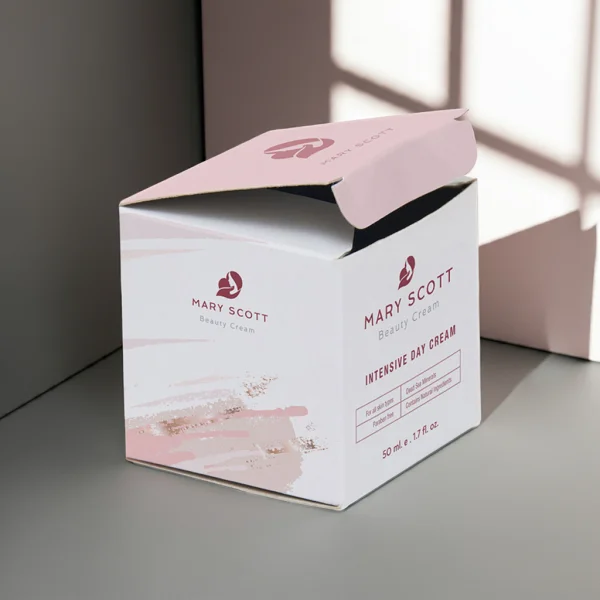
- Kraft paper, cardboard, and rigid paperboard for boxes.
- Molded pulp inserts for cream jars.
- Plant-based coatings and water-based inks for printing.
Biodegradable and Recyclable Cream Containers
- Cardboard outer boxes and paperboard jars.
- Compostable inserts and wraps.
- Reduces environmental impact while maintaining durability.
Glass, Plastic, Aluminum, and Bamboo Options
- Glass: premium, inert, and recyclable.
- Plastic: lightweight but less eco-friendly; consider PCR plastics.
- Aluminum: lightweight and protective; recyclable.
- Bamboo or wood: natural, sustainable alternative for luxury brands.
Post-Consumer Recycled Materials for Cosmetic Packaging
- FSC-certified or PCR cardboard reduces raw material usage.
- Enhances sustainability messaging.
- Aligns with consumer expectations for eco-conscious brands.
Functional Features of Cream Packaging
Travel-Friendly and Portable Designs
- Compact sizes for handbags or travel kits.
- Lightweight yet durable to prevent leakage.
- Flip-top caps or screw lids for convenience.
Protective Packaging for Product Integrity
- Airtight seals for creams prone to oxidation.
- Inner inserts prevent jars from breaking during shipping.
- UV-protective coatings preserve sensitive formulas.
User-Friendly and Ergonomic Cream Containers
- Easy-to-grip shapes for single-handed use.
- Flip caps or pumps reduce mess.
- Clear labeling for shade or formula identification.
Airless and Pump Dispensers for Hygiene
- Limits exposure to air, moisture, and contamination.
- Controlled product dispensing minimizes waste.
- Preferred for high-value or active-ingredient creams.
Interactive Packaging Features (QR Codes, Customization)
- QR codes for tutorials, ingredients, or social media campaigns.
- Personalized jars or tubes for limited editions.
- Enhances consumer engagement and brand loyalty.
Cream Packaging for Branding and Marketing
Custom Printed Cream Jars
- Full-color prints or labels on lids and boxes.
- Foil stamping, embossing, or spot UV for premium appearance.
- Reinforces brand identity across product lines.
Packaging That Boosts Shelf Appeal and Sales
- Attractive, functional packaging influences consumer choice.
- Premium presentation supports higher pricing.
- Multipacks or sets increase perceived value.
Personalized and Gift Cream Packaging
- Coordinated sets for gifting or subscription boxes.
- Seasonal designs, limited editions, and inserts.
- Enhances consumer experience and repeat purchases.
Packaging That Reflects Brand Identity
- Align colors, textures, and finishes with brand positioning.
- Consistency across online, offline, and social channels.
- Builds trust and loyalty.
Industry Standards and Compliance
Cosmetic Packaging Regulations and Safety
- Compliance with FDA, EU, and local cosmetic packaging regulations.
- Ensures safe materials for direct contact with creams.
- Proper labeling, ingredient disclosure, and expiry dates.
Primary vs Secondary Cream Packaging
- Primary: Direct product contact (jar, tube, pump).
- Secondary: Boxes, sleeves, or multipacks for branding and protection.
Material Safety and Barrier Protection
- Materials must protect from air, moisture, and contamination.
- Rigid boxes or coated paperboard preserve product integrity.
ISO and Global Standards for Cream Packaging
- ISO 22716: Good Manufacturing Practices (GMP).
- ISO 16128: Natural cosmetic material standards for sustainable packaging.
Tamper-Proof and Sealed Cream Containers
- Shrink-wraps, induction seals, or tamper-evident caps.
- Builds consumer confidence and protects product integrity.
How to Choose the Right Cream Packaging
Factors to Consider When Selecting Cream Packaging
- Product type (thick cream, serum, lightweight lotion).
- Brand positioning (luxury, eco-conscious, minimal).
- Distribution channels (retail, e-commerce, subscription).
Matching Packaging to Your Target Audience
- Younger demographics may prefer Instagram-friendly designs.
- Luxury consumers expect premium finishes, pumps, or airless containers.
Balancing Aesthetics, Functionality, and Sustainability
- Protect product quality while maintaining visual appeal.
- Refillable or recyclable designs align with eco-conscious values.
Budget Considerations for Custom Packaging
- Compare custom vs stock packaging costs.
- Prototype before mass production to avoid wastage.
- Wholesale purchasing reduces per-unit cost for startups.
Future Trends in Cream Packaging
Innovative and Smart Packaging Solutions
- Refillable jars, magnetic closures, and modular sets.
- Smart QR codes and AR integration for tutorials or loyalty.
- Interactive packaging enhances consumer engagement.
Eco-Conscious Materials and Designs
- Compostable cardboard boxes, biodegradable inserts.
- Minimalist packaging reduces material usage.
- Plant-based coatings and inks for sustainability.
Technology-Enhanced User Experiences
- AR-enabled shade previews or product instructions.
- Smart labels for authenticity or tracking.
- Enhances consumer convenience and brand trust.
Ethan Hughes –
The cream packaging is fantastic! Sturdy, elegant, and perfectly designed to showcase my products. It gives a luxurious feel that my customers love, and the quality is outstanding. Fast delivery and excellent craftsmanship make this packaging a great choice for any skincare or cosmetic brand.